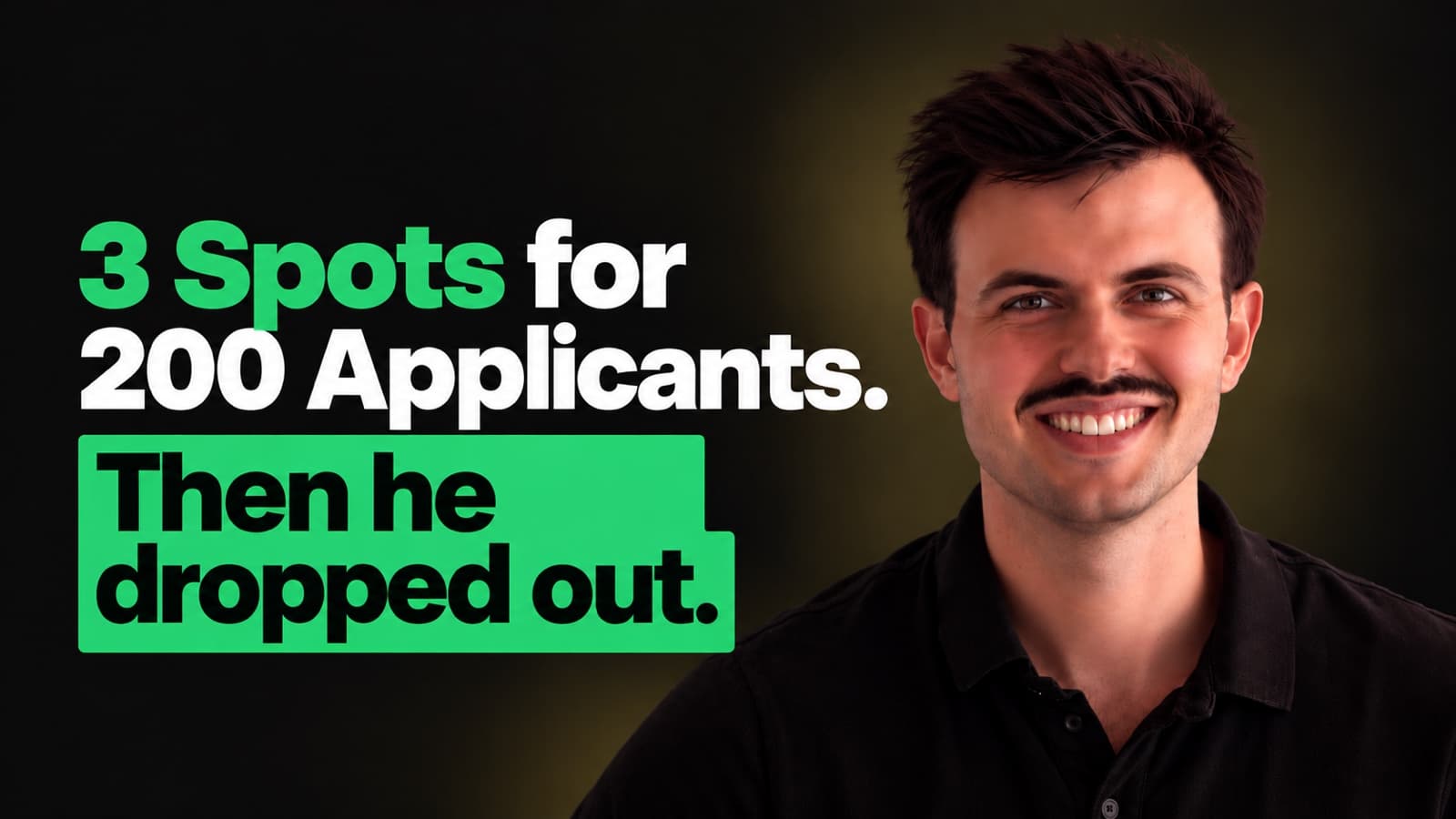
From Filmmaker to AI Founder
Viktor Presber Co-Founder, KugelAudio
Viktor Presber started with a fishing film at 16. It became a YouTube channel he ran for years for free, his first company at 17 and a €20,000 client at 19. He then entered an extremely selective film school, started winning awards and found himself on stage at the German Chancellery. Two years later, he dropped out. He moved into a startup flat in Berlin and started again: 15 to 20 ideas, a failed funding round, years on the bare minimum and hundreds of cold calls before the first meeting. Then his co-founder Kajo released a Voice AI model he had built at university as open source and was flooded with inbound. That market pull became KugelAudio, where the team now trains foundation models from scratch and is trying to build the smallest AI lab ever.
Why this episode matters
Most dropout stories start with someone who was going nowhere. Viktor's starts at a film school that takes three people out of two hundred, with the awards already won and the Chancellery behind him. He left anyway, and spent the years after that on the bare minimum — cooking every meal himself, calling three or four hundred strangers before one of them agreed to a meeting — until a model his co-founder had put online for free brought the market to them.
Key moments
- 10:51
The fishing film that started everything
At 16 Viktor sets out to prove that fishing isn't boring. A GoPro, a school project and one film turn into a YouTube channel he runs for years without earning a single euro from it.
- 18:22
From €400 jobs to a €20,000 client
At 17 and 18 a project pays two or four hundred euros. At 19 one client suddenly pays 20,000, at day rates other nineteen-year-olds could only dream of.
- 26:33
The award nobody expected
A first-year film is submitted almost by accident. Weeks later Viktor and his team are standing in the German Chancellery, the only ones without a suit, collecting second place and 10,000 euros.
- 29:33
Why he walked away anyway
The awards were coming and the path was straight. He explains what bothered him: the impact was too small, and the verdict on the work was always somebody else's.
- 42:14
“We have to shut down tomorrow”
Their gaming startup loses its follow-on funding. Instead of closing it, Viktor decides to finance it out of the HR business and keeps going for another six months.
- 48:43
Three hundred calls before the first meeting
Every morning from nine to twelve he cold calls. At first he sometimes needs ten minutes just to dial. Five or six weeks and three to four hundred calls later, he books the first meeting.
- 52:05
The side project people actually wanted
Kajo builds a Voice AI model at university and releases it open source. While everything else they try goes nowhere, this one gets flooded with inbound from across Germany.
- 57:17
The smallest AI lab ever
Why Viktor wants KugelAudio to stay radically small, and why he thinks a company can reach Series A with fewer than ten people.
Best quotes
“We have to shut down tomorrow. And I thought: you know what, we're not shutting down tomorrow. We kept going for another six months, even though we had no money at all.”
“You can only steer a film so far. What people say about it in the end is a matter of opinion, and I don't like working in opinion-driven environments.”
“There were phases, three or four years at a stretch, where I lived on about 800 euros a month. Rent, 150 for food, cooked everything myself, never ate out.”
“The first week was terrible. Sometimes I needed ten minutes before I could bring myself to dial the number.”
“I had been cold calling for months, doing email outreach, standing at trade fairs, and all I ever got was rejection. Then I saw large enterprises that didn't reject what Kajo had built — they wanted it. That's magical.”
Founder lessons
- 01Market pull is the signal, not your own conviction. Months of cold calls produced rejection; a model Kajo put online for free produced inbound from across Germany, and that difference decided which company they built.
- 02Learn the unpleasant skill on purpose. Viktor locked himself away from nine to twelve every morning to cold call, and it took five or six weeks and three to four hundred calls before the first meeting.
- 03The hard version of leaving is leaving while it works. The awards were already won, which is exactly why the decision to drop out took two years of doubt.
- 04Fund the thing you believe in with the thing that pays. The HR business kept the gaming startup alive for six months after the follow-on round fell through.
- 05Small can be the strategy, not a stage. Viktor's argument: inside the big labs the teams that actually produce the innovation are tiny, and a company that automates its own work can reach Series A with fewer than ten people.
Work with Viktor
KugelAudio is hiring.
If the way Viktor builds sounds like your kind of place, start with the open roles.
Related episodes
All episodes →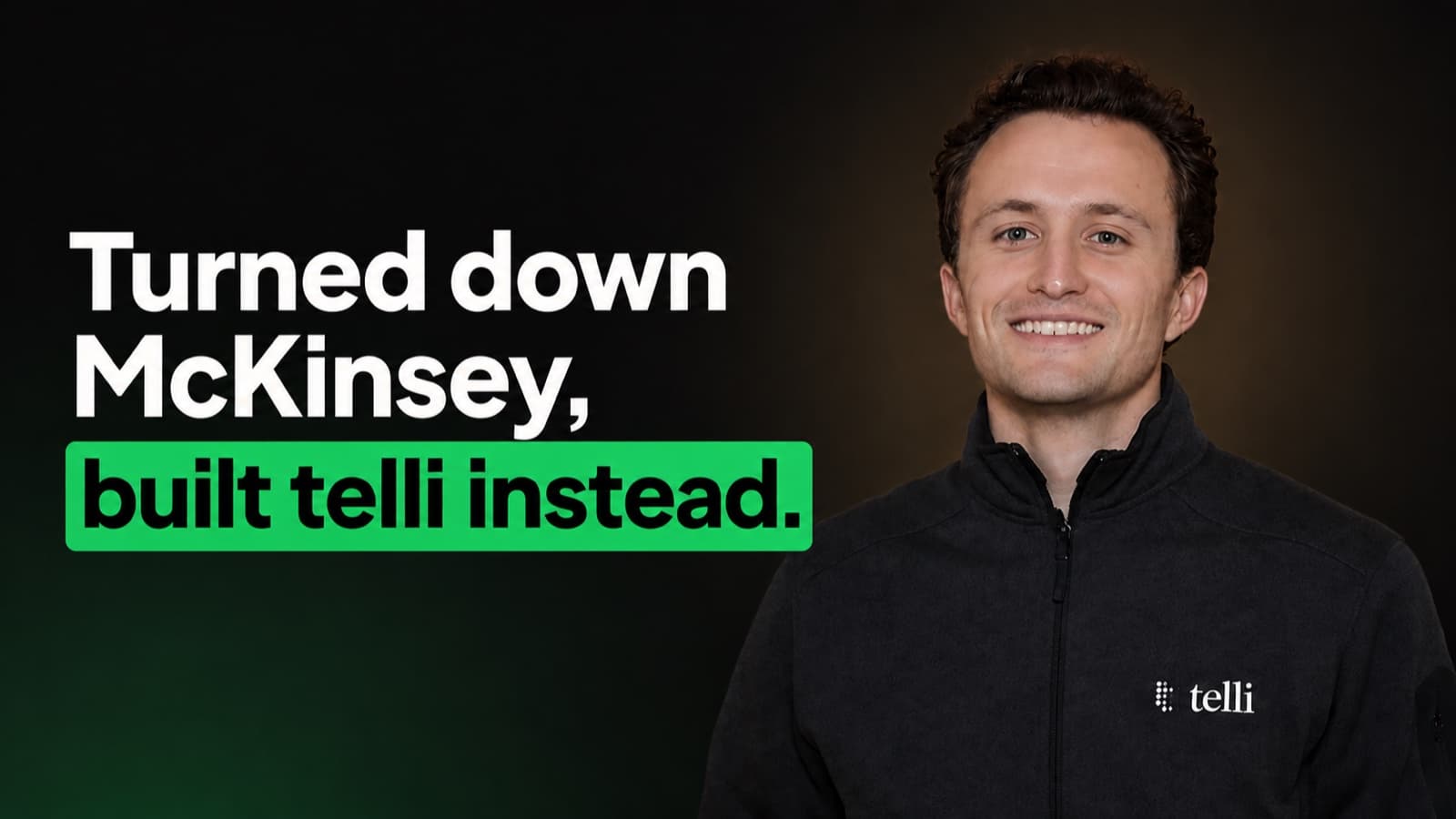
Philipp Baumanns

The McKinsey Contract He Never Started
Philipp had already signed full-time with McKinsey. He walked away because he could see the trap: the better the salary, the benefits and the job security get, the harder it becomes to ever leave.
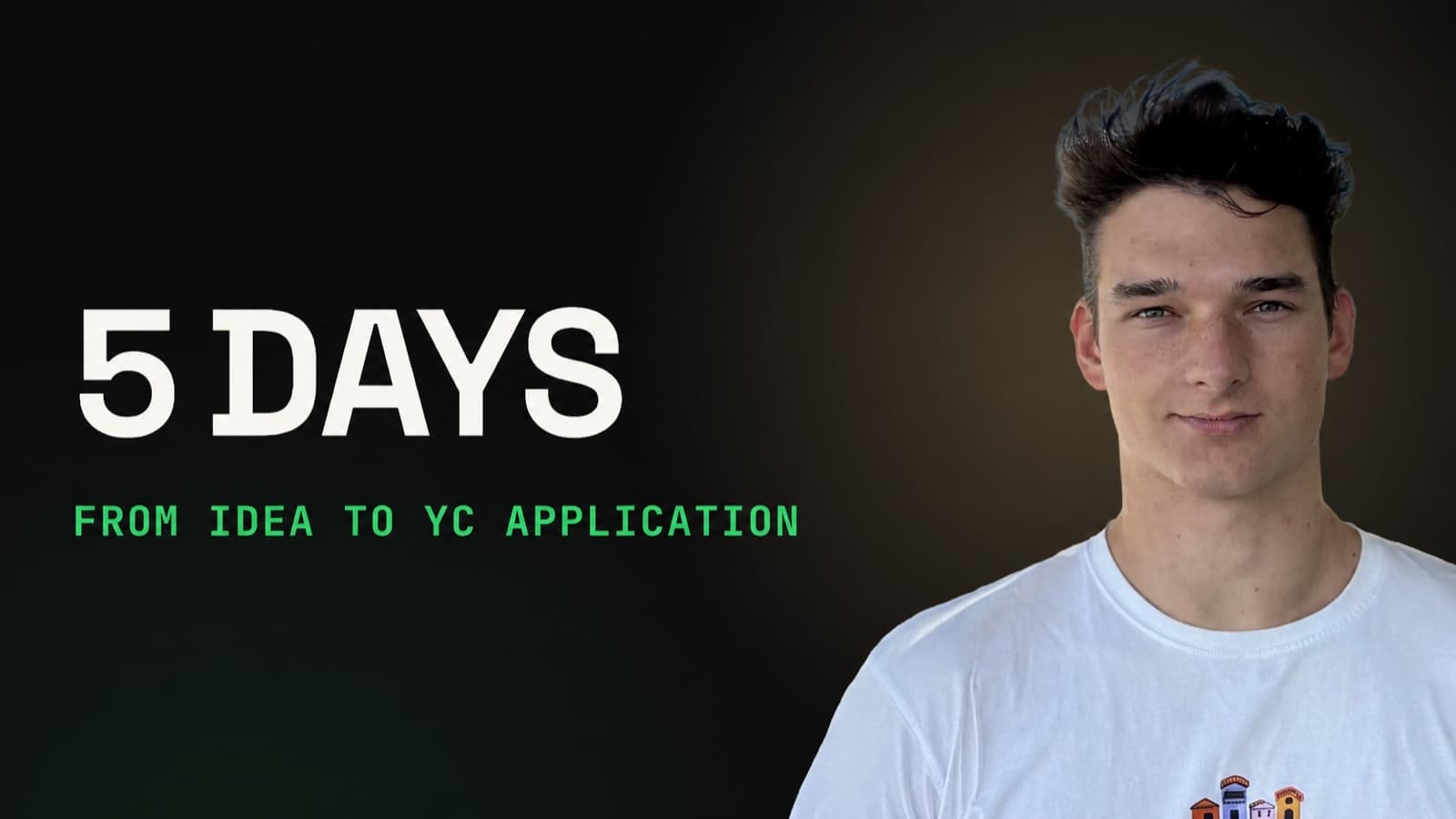
Maximilian Arnold

Five Days from an Idea to a YC Application
Max spent his whole life collecting side quests. Five days before the YC deadline, he and his two co-founders started writing the application that turned one of them into the main quest.